
Spend £75.00 more for free UK mainland delivery
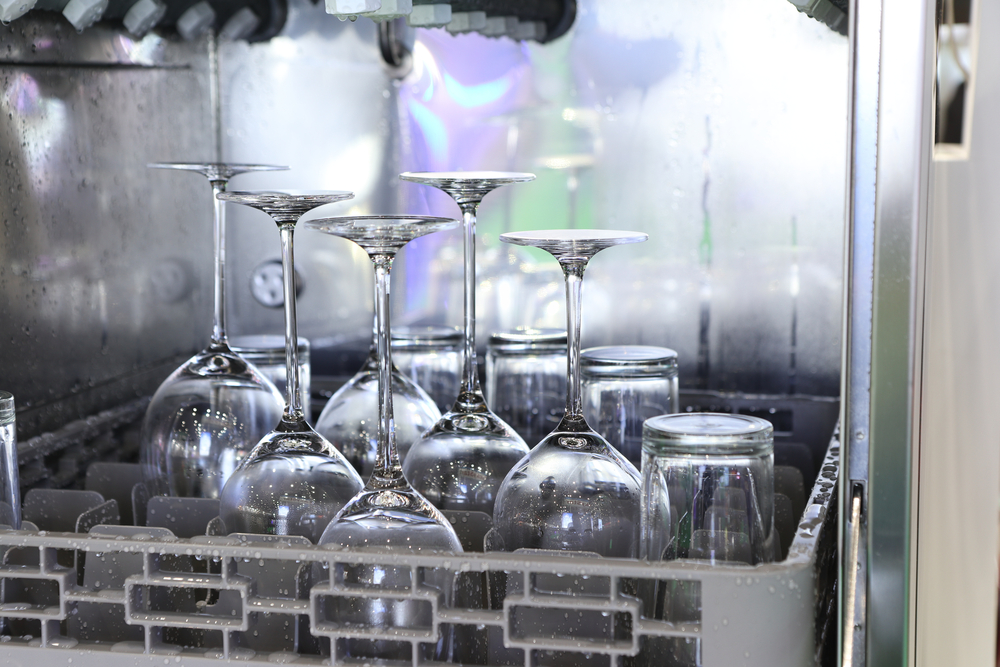
In the hospitality industry, every detail counts, especially when it comes to glassware. Spotless, crystal-clear glasses can elevate your guests’ experience, reflecting the high standards of your bar or restaurant. Proper glassware maintenance not only enhances presentation but also extends the life of your investment, saving costs over time. This guide will explore essential techniques and tools to keep your glassware in pristine condition—from optimal washing practices to effective storage solutions.
Selecting the appropriate glassware for your bar or restaurant is about more than just aesthetics—it’s a strategic choice that can impact both customer experience and long-term costs. Different types of glass are designed to enhance the presentation and enjoyment of various beverages, from wine and cocktails to beer and specialty drinks. Each glass type has unique characteristics, and understanding these can help you make informed decisions that align with your establishment's needs.
Crystal Glassware
Crystal glass, often lead-free, contains metal oxides like barium or potassium, giving it added weight, clarity, and brilliance. This makes crystal ideal for fine dining or upscale establishments where sparkle and elegance are a priority. While it’s durable enough for everyday use in refined settings, crystal may be better suited for lower-traffic environments due to its higher cost and relative fragility.
Tempered Glass
Also known as toughened glass, tempered glass, such as the Olympia Toughened collection, undergoes a heat-treatment process that makes it four to five times stronger than regular glass. It’s designed to break into blunt, small fragments if shattered, enhancing safety. This durability makes tempered glass an excellent choice for high-traffic bars, casual dining, or any setting where glassware experiences frequent handling, reducing replacement costs over time.
Soda-Lime Glass
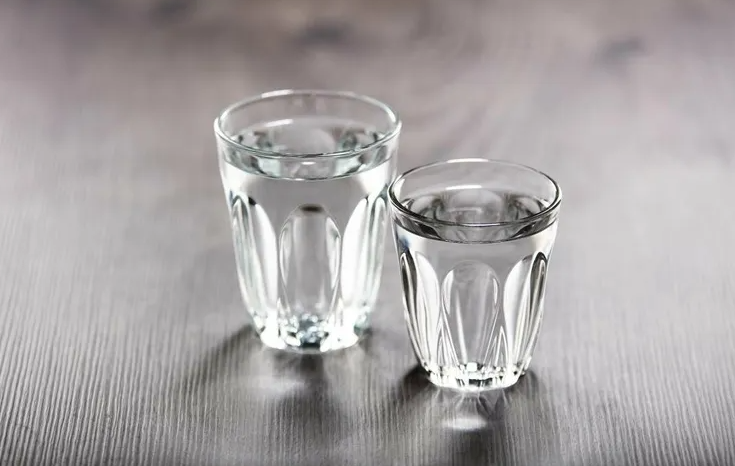
Soda-lime glass is the most commonly used type, made from silica, soda ash, and limestone. It’s affordable, versatile, and easy to manufacture, making it ideal for high-turnover establishments or casual settings. While it’s more prone to chipping than tempered or crystal glass, its low cost makes it practical for everyday use in large quantities.
Borosilicate Glass
Borosilicate glass, made with boron trioxide, is highly resistant to temperature changes, making it ideal for hot drinks like Irish coffee or specialty cocktails. It’s less common in barware but valuable for niche applications where thermal resilience is essential.
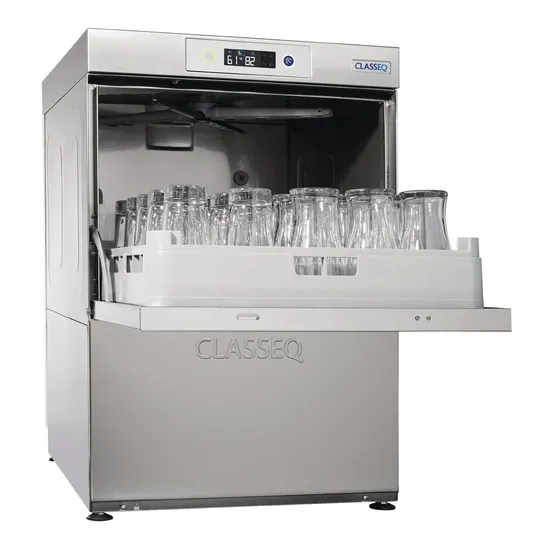
Investing in quality glassware cleaning tools is essential to maintain the clarity and durability of your glasses. High-grade glasswashers, like the Classeq Glasswasher G500P, are designed specifically for hospitality environments and can handle high volumes without compromising on performance. This glasswasher uses powerful jets and specific cycles tailored for glass, ensuring deep cleans without leaving residue. Additionally, the Osmos Cabinet Glasswash utilises a reverse osmosis system to reduce water impurities, preventing mineral deposits that can lead to clouding on glasses. Investing in the right tools ensures each wash delivers optimal results, protecting your glassware investment over time.
Cloudy or smudged glasses are one of the biggest turnoffs for customers. They give the impression of uncleanliness and poor maintenance. Follow these tips to keep your glassware sparkling:
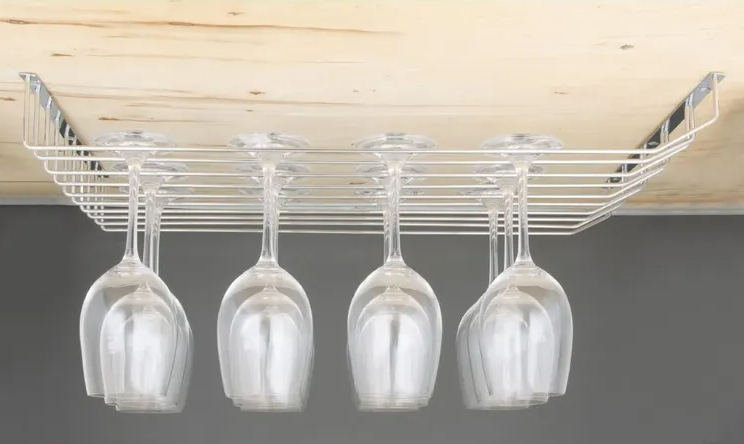
Proper handling and storage are equally important in maintaining glassware quality. Here’s how to prevent unnecessary damage:
Regular maintenance of your glasswashers and other cleaning tools is essential for consistently clean glassware and the longevity of your investment. Here are a few maintenance practices to follow:
Caring for glassware in a bar or restaurant setting requires the right tools, techniques, and a commitment to consistency. By following these steps, you’ll not only maintain the appearance and quality of your glassware but also boost the overall guest experience, as spotless, crystal-clear glasses are a testament to your establishment's attention to detail. From investing in quality glasswashers to implementing effective storage solutions, each step you take adds to the longevity and appeal of your glassware. Give your customers the quality they expect, and keep your glassware in perfect condition for years to come.
Explore our full range of glassware here to find high-quality options suited for any establishment and ensure your glasses stay crystal-clear with every wash.
Don’t forget the details! Choose the best glass washing detergents and sundries to keep your glassware spotless and free from residue.
Sources: https://www.restaurantware.com/blogs/advertising-and-marketing/how-to-care-for-glassware
https://www.katom.com/learning-center/anchor-hocking-glassware-buyers-guide.html
https://www.clenaware.co.uk/latest-news/glass_handling_guide
https://www.hospitalityandcateringnews.com/2018/12/7-tips-clean-glasses/
https://nelsonwashonline.co.uk/blogs/user-guides-maintenance/glasscare-guide-for-pubs-and-bars


